 Save
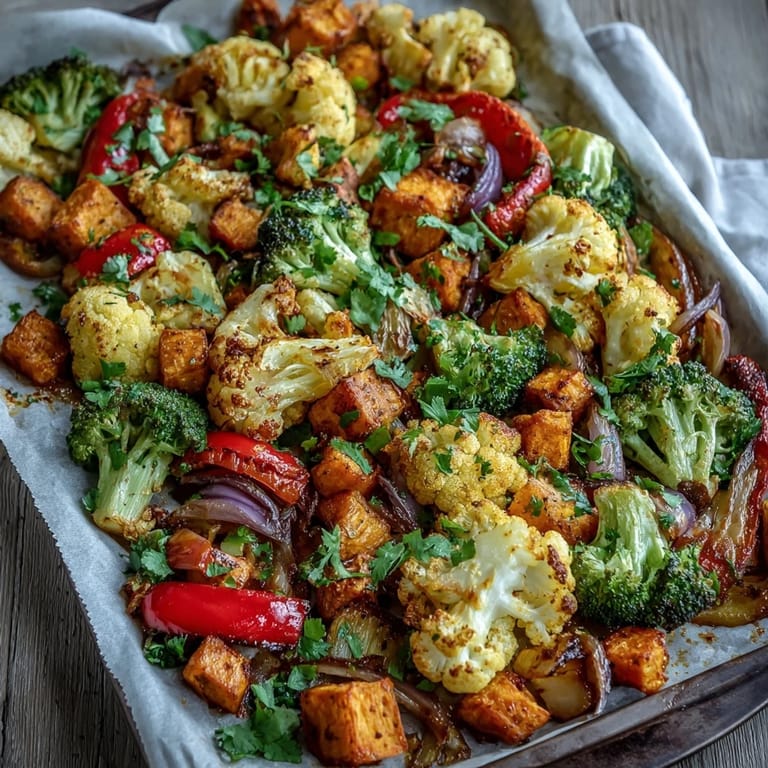
Save My kitchen smelled like a spice market the afternoon I realized golden turmeric wasn't just for curry—it transformed humble roasted vegetables into something that felt medicinal and celebratory at once. I'd been experimenting with anti-inflammatory eating after a friend mentioned how certain spices seemed to ease her joint pain, and this simple technique became my go-to when I wanted something nourishing without feeling like a sacrifice. The magic happens when those warm spices meet caramelizing edges on the vegetables, creating layers of flavor that make you forget you're eating something genuinely good for you.
I made this for my sister's dinner party right after she'd been dealing with inflammation from an old running injury, and watching her go back for seconds without even asking what was in it felt like a small victory. She's not one for health food lectures, so the fact that she loved it for the taste—not the benefits—meant something. Now she texts me photos of her own roasted batches, which is basically the highest compliment she gives.
Ingredients
- Cauliflower florets (2 cups): They get nutty and slightly crispy at the edges, which is exactly what you want—choose florets that are similar in size so they cook evenly.
- Broccoli florets (2 cups): The smaller crown pieces brown beautifully and the stems add texture, so don't waste them.
- Sweet potato, peeled and cubed (1 large): This adds natural sweetness and body; cut into roughly the same size as your broccoli pieces for even cooking.
- Carrots, sliced (2 medium): Slice them on a diagonal or into half-moons so they caramelize instead of just drying out.
- Red bell pepper, cut into chunks (1): It softens into almost jammy sweetness, so don't worry if the edges char a little.
- Red onion, cut into wedges (1 small): The layers stay intact during roasting and become mellow and sweet rather than harsh.
- Extra-virgin olive oil (2 tbsp): This is your vehicle for the spices and what creates those crispy edges, so don't skimp on quality.
- Ground turmeric (1 ½ tsp): This is the star—it's warm, slightly earthy, and absolutely packed with curcumin for anti-inflammatory benefits.
- Ground cumin (1 tsp): Adds a slightly smoky depth that makes the whole dish feel more complex.
- Ground coriander (½ tsp): Brings a subtle citrusy note that brightens everything.
- Smoked paprika (½ tsp): Gives color and a whisper of smokiness without overpowering.
- Ground black pepper (¼ tsp): Beyond just seasoning, black pepper actually helps your body absorb the turmeric's benefits.
- Sea salt (¾ tsp): Taste as you go because salt levels vary in different oils and spices.
- Lemon juice (1 tbsp): The acid cuts through the richness and brightens every flavor at the very end.
- Fresh cilantro or parsley (2 tbsp, optional): I almost always use it because the herbaceous freshness against the warm spices is irresistible.
Tired of Takeout? 🥡
Get 10 meals you can make faster than delivery arrives. Seriously.
One email. No spam. Unsubscribe anytime.
Instructions
- Heat your oven and prep the pan:
- Get the oven to 425°F and line your baking sheet with parchment paper while it preheats—this ensures everything cooks evenly and the pan doesn't become a scrubbing nightmare afterward. Having everything ready before you touch a vegetable changes the whole flow of cooking.
- Gather and cut your vegetables:
- Cut everything roughly the same size so nothing gets overdone while waiting for something else to finish. Pro move: prep your vegetables into the bowl as you go rather than doing them all first and letting them sit around losing moisture.
- Mix the golden spice coat:
- In a small bowl, whisk together the olive oil with turmeric, cumin, coriander, paprika, pepper, and salt—the oil helps distribute the turmeric evenly and prevents clumping. You'll notice it smells warm and slightly honeyed, which is exactly the signal you want.
- Toss everything together:
- Pour the spiced oil over your vegetables and toss thoroughly until every piece is coated; this is easier than it sounds because the oil clings to everything. Use your hands if you want—sometimes that's the best way to feel when something's evenly coated.
- Spread it out and roast:
- Arrange vegetables in a single layer on the parchment, giving them breathing room so they roast instead of steam. After about 15 minutes, give the pan a shake or stir so the pieces on top get their turn close to the heat.
- Watch for the golden finish:
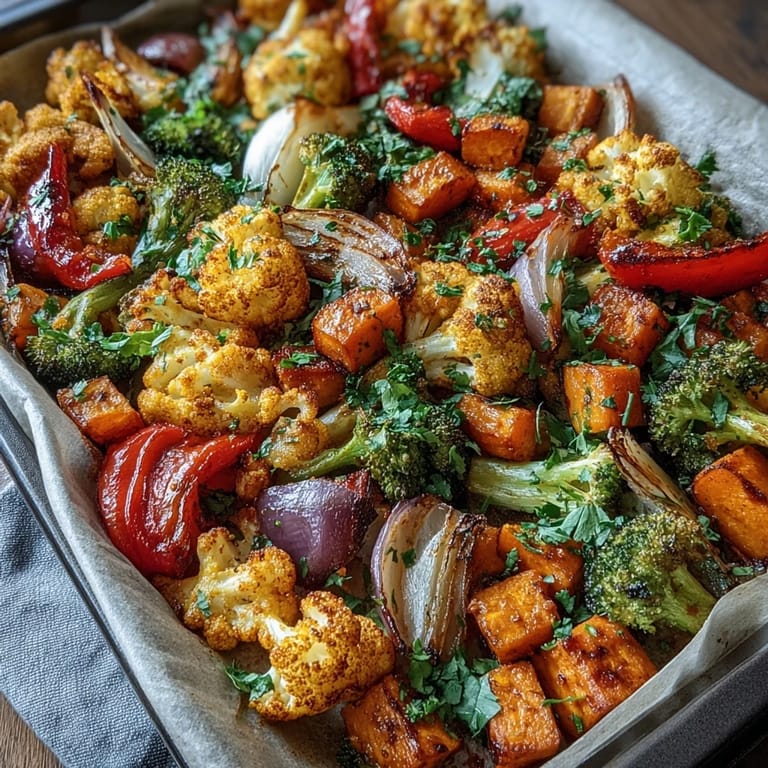
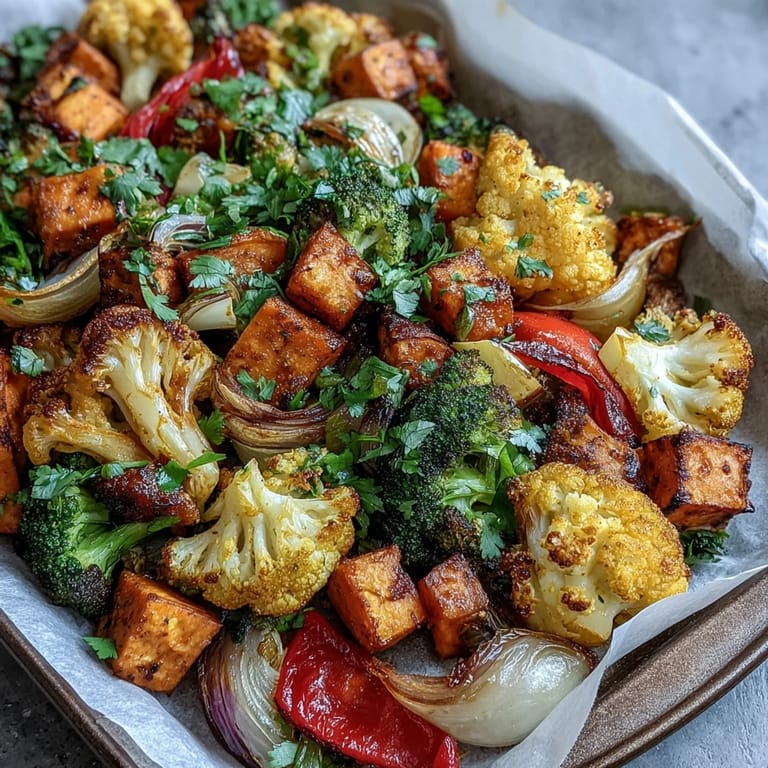
- You're looking for tender vegetables with lightly crisped, caramelized edges—this usually takes 25 to 30 minutes depending on your oven. The edges of the sweet potato should look almost bronzed, and the cauliflower should have deep golden spots.
- Finish with brightness:
- Drizzle everything with lemon juice straight from the oven and scatter fresh herbs over top if you have them. This final step feels simple but it completely changes the flavor profile from heavy spices to something alive and fresh.
 Save
Save There's something almost meditative about eating roasted vegetables slowly, knowing that the spices are doing good work inside your body while tasting genuinely delicious. It shifted how I think about healthy eating—it doesn't have to be austere or performative, just honest food that nourishes.
Variations & Seasonal Swaps
This recipe is genuinely flexible, which is part of why I return to it so often. In fall I'll throw in cubed butternut squash or halved Brussels sprouts, and in spring I'll add asparagus spears or green beans for a lighter feel. Winter is when I lean harder into the root vegetables—parsnips, beets, and turnips all roast beautifully with this spice blend and their earthiness complements turmeric perfectly.
Serving & Pairing Ideas
On its own, this works as a side dish next to almost anything, but I often serve it over grains to make it more substantial. Quinoa, brown rice, or even farro create a complete meal, and the roasted vegetables' natural sweetness means you don't need much more than maybe a dollop of non-dairy yogurt or tahini sauce alongside.
Storage & Make-Ahead Magic
This dish is one of those rare things that tastes better on day two or three, making it perfect for meal prepping—the flavors deepen and the texture stays firm rather than getting mushy. Store in an airtight container in the refrigerator for up to four days, and gently reheat in a 350°F oven for about 10 minutes to restore some of the crispness, or eat it cold straight from the fridge.
- Cold leftovers work beautifully tossed into salads or grain bowls for a quick lunch.
- You can actually prep and cut all your vegetables the night before, but don't toss with the spice mixture until just before roasting.
- The spice blend doesn't change or degrade if you make a double batch to keep on hand for future roasting sessions.
 Save
Save This recipe became proof that nourishing food doesn't require sacrifice—just intention and the right spices. Make it, taste it, and let it become part of your regular rotation.
Recipe FAQs
- → What vegetables work best for turmeric roasting?
Root vegetables like sweet potatoes and carrots absorb turmeric beautifully, while cauliflower and broccoli develop crispy edges. Bell peppers add sweetness and color. You can also substitute Brussels sprouts, butternut squash, or zucchini based on seasonal availability.
- → Why add black pepper to turmeric vegetables?
Black pepper contains piperine, which significantly enhances turmeric absorption. Even a small pinch boosts the anti-inflammatory compound curcumin absorption by up to 2,000%, making your dish more beneficial for wellness.
- → What temperature yields the best roasted vegetables?
Roasting at 425°F (220°C) creates ideal texture—tender interiors with caramelized, lightly crisped edges. This high heat concentrates natural sugars and develops deep flavor while preserving vegetable structure.
- → How do you prevent vegetables from becoming soggy?
Spread vegetables in a single layer without overcrowding the pan. This allows hot air to circulate evenly, promoting caramelization rather than steaming. Tossing halfway through cooking ensures consistent browning on all sides.
- → Can these vegetables be prepared ahead?
Vegetables can be cut and seasoned up to 24 hours in advance, stored covered in the refrigerator. The spice coating actually enhances flavor during this time. Roast just before serving for optimal texture and warmth.
- → What proteins pair well with these vegetables?
These vegetables complement roasted chickpeas, grilled tofu, or baked fish perfectly. Serve over quinoa, brown rice, or farro for a complete bowl. The turmeric spices also harmonize with lentils and hearty grains.