 Save
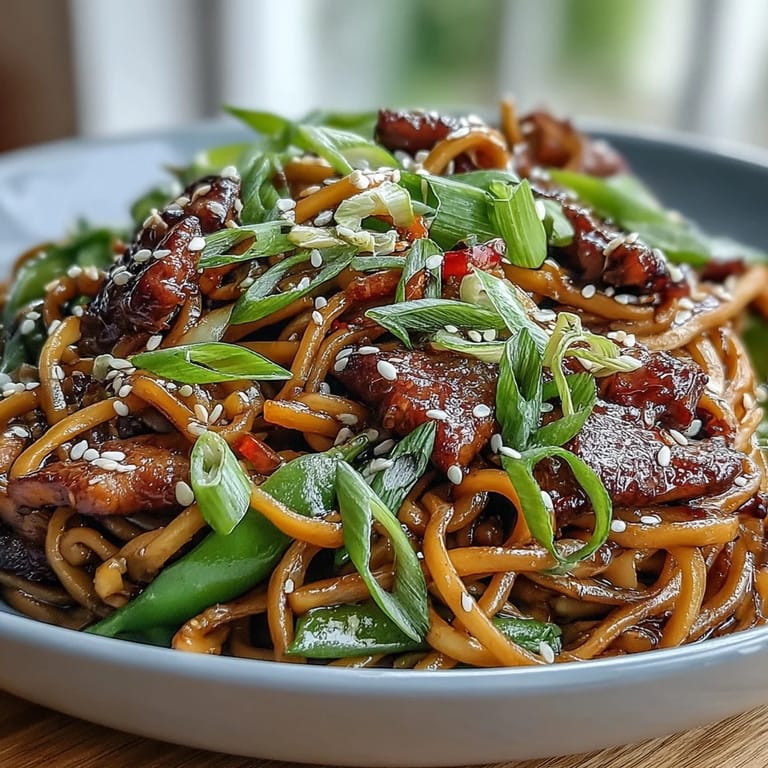
Save The sizzle of pork hitting a smoking hot wok is one of those sounds that instantly makes me hungry. I started making this stir-fry on nights when the fridge looked half-empty but I still wanted something that felt like a real meal. It turned out to be exactly what I needed: fast, forgiving, and full of texture. Now it's my default when I want to feel like I've got dinner under control, even when I don't.
I made this for a friend who swore she didn't like stir-fry because it always tasted bland. She finished her plate before I'd even sat down. We ended up talking for hours that night, and she still texts me for the sauce ratio whenever she makes it herself. It's funny how a simple dinner can turn into something you both remember.
Ingredients
- Pork loin or tenderloin: Slice it thin against the grain so it stays tender and cooks quickly without turning chewy.
- Soy sauce: This does double duty in the marinade and the sauce, adding that deep savory backbone the whole dish needs.
- Cornstarch: A small amount in the marinade creates a light coating that helps the pork brown beautifully and keeps it juicy.
- Egg noodles or rice noodles: Either works perfectly, just cook them until they're just tender since they'll finish cooking in the wok.
- Red bell pepper: Julienne it thin so it cooks fast and adds sweetness and color without overpowering the dish.
- Carrot: Cut into matchsticks for even cooking and a bit of crunch that holds up to the heat.
- Sugar snap peas: These stay crisp and sweet even after stir-frying, and halving them makes them easier to toss.
- Spring onions: Add them at the end so they stay bright and give a fresh bite to balance the rich sauce.
- Garlic and ginger: Mince and grate them fresh for the aromatic base that makes the whole kitchen smell incredible.
- Oyster sauce: This adds a subtle umami sweetness that you can't quite name but definitely notice when it's missing.
- Hoisin sauce: A little goes a long way for adding depth and a hint of sweetness that rounds out the soy.
- Sesame oil: Just a teaspoon at the end brings a toasty, nutty aroma that ties everything together.
- Brown sugar: Balances the salty elements and helps the sauce caramelize slightly on the noodles.
- Vegetable oil: Use something with a high smoke point so you can get the wok screaming hot without any burning.
- Sesame seeds: Optional, but they add a nice visual touch and a little extra nuttiness.
Tired of Takeout? 🥡
Get 10 meals you can make faster than delivery arrives. Seriously.
One email. No spam. Unsubscribe anytime.
Instructions
- Marinate the pork:
- Toss the thinly sliced pork with soy sauce and cornstarch in a bowl, making sure every piece is coated. Let it sit for ten minutes while you prep everything else.
- Cook the noodles:
- Boil the noodles according to the package directions, then drain and set them aside. They'll finish cooking in the wok, so don't worry if they seem a bit firm.
- Mix the sauce:
- Whisk together the soy sauce, oyster sauce, hoisin, sesame oil, brown sugar, and water in a small bowl. Having this ready before you start cooking makes everything move faster.
- Sear the pork:
- Heat one tablespoon of oil in a large wok over high heat until it shimmers, then add the pork in a single layer. Let it sear for two to three minutes until browned, then remove and set aside.
- Stir-fry the vegetables:
- Add the remaining oil to the wok along with the garlic, ginger, bell pepper, carrot, and sugar snap peas. Stir-fry for three to four minutes, keeping everything moving so it cooks evenly and stays crisp.
- Combine everything:
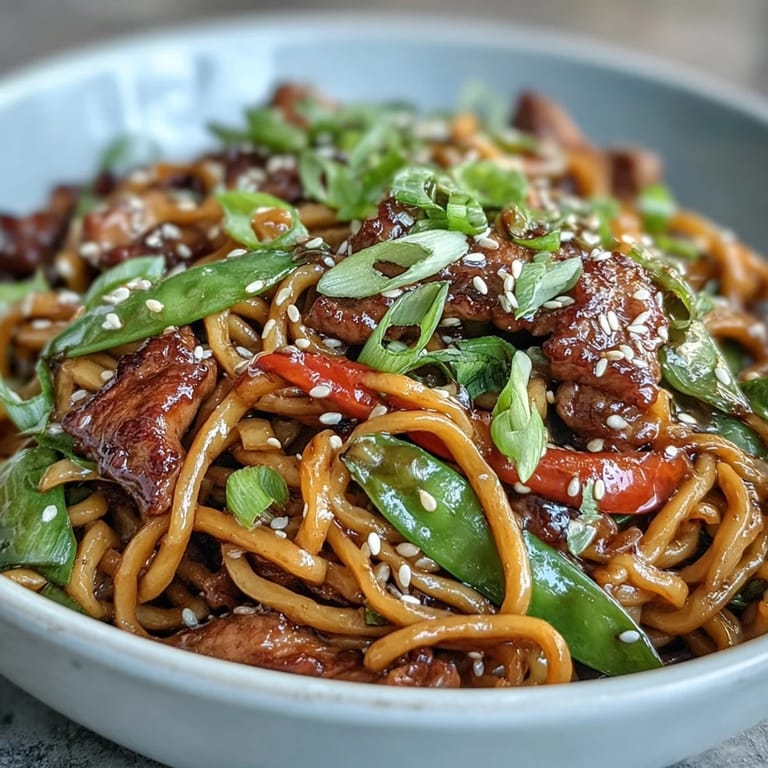
- Return the pork to the wok, add the cooked noodles and the sauce, then toss everything together for two to three minutes. The noodles should be glossy and well coated, and everything should be heated through.
- Finish and serve:
- Toss in the spring onions, give it one last stir, then remove from heat. Serve immediately, garnished with sesame seeds and fresh coriander or sliced chili if you like.
 Save
Save One night I made this with whatever was left in the crisper drawer, and it turned out better than when I followed the recipe exactly. My partner looked up from his bowl and said it tasted like the kind of place we'd wait in line for. That's when I realized this dish doesn't need to be perfect to be really, really good.
Swapping Proteins and Vegetables
If you don't have pork, chicken thighs or breast work just as well, and tofu or shrimp are excellent if you want to switch things up. I've also thrown in mushrooms, baby corn, and bok choy when I had them, and they all added something different without changing the spirit of the dish. The key is cutting everything to a similar size so it all cooks at the same rate.
Getting the Wok Hot Enough
A properly heated wok makes all the difference between a soggy stir-fry and one with that slightly charred, restaurant-style flavor. I let mine heat over high heat for at least two minutes before adding oil, and I know it's ready when a drop of water sizzles and evaporates instantly. If your stove doesn't get hot enough, work in smaller batches so the temperature doesn't drop too much when you add ingredients.
Serving and Storing Leftovers
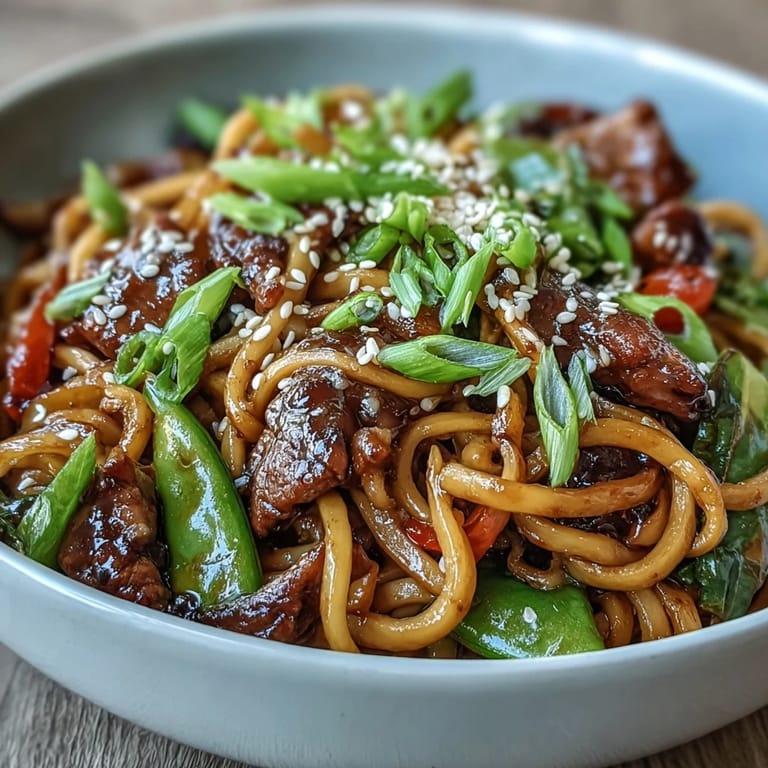
This stir-fry is best served right away while the noodles are still glossy and the vegetables have that perfect snap. If you do have leftovers, they keep in the fridge for up to two days, though the noodles will soften a bit. I like to reheat them in a hot skillet with a splash of water to loosen everything up again.
- Add a squeeze of lime juice or a drizzle of chili oil just before serving for an extra layer of flavor.
- Pair it with a crisp Riesling or a light lager to balance the savory richness of the sauce.
- Double the sauce if you like your noodles extra saucy, it keeps well in the fridge for up to a week.
 Save
Save This stir-fry has become one of those recipes I don't even think about anymore, I just make it. It's reliable, satisfying, and always tastes like I put in more effort than I actually did.
Recipe FAQs
- → Can I use a different protein instead of pork?
Absolutely! Chicken, shrimp, tofu, or beef work wonderfully in this stir-fry. Adjust cooking times accordingly—shrimp cooks faster, while beef may need an extra minute.
- → What type of noodles work best?
Egg noodles or rice noodles are ideal, but you can also use udon, lo mein, or even soba noodles. Just follow the package instructions for cooking times.
- → How do I prevent the stir-fry from becoming soggy?
Use high heat and avoid overcrowding the wok. Cook in batches if needed, and ensure vegetables retain some crunch. Don't overcook the noodles initially.
- → Can I make this gluten-free?
Yes! Use tamari instead of soy sauce, rice noodles, and check that your oyster sauce and hoisin are gluten-free or use suitable alternatives.
- → What vegetables can I add or substitute?
Mushrooms, baby corn, bok choy, broccoli, or zucchini all work beautifully. Just ensure they're cut uniformly for even cooking.
- → How should I store leftovers?
Store in an airtight container in the refrigerator for up to 3 days. Reheat in a hot wok or skillet to restore texture, adding a splash of water if needed.