 Save
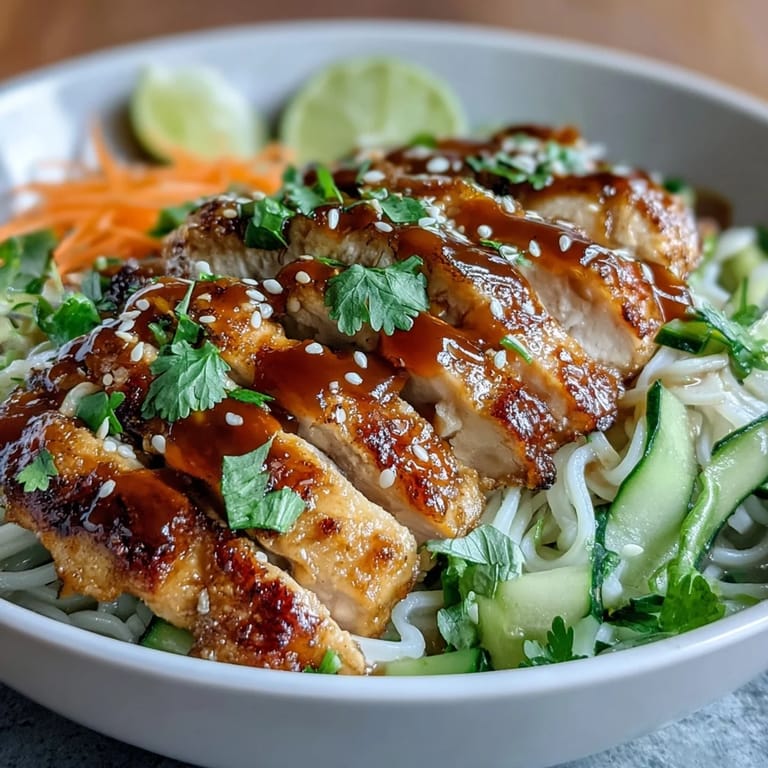
Save My neighbor dropped off a container of leftovers one Tuesday evening, and inside was this golden bowl of noodles with strips of chicken glistening under a glossy sauce. She'd made it on a whim, she said, throwing together things she had in her pantry. One bite and I understood why she'd been quietly proud of it—the way the umami from the fish sauce played against the honey's subtle sweetness, how the sesame oil rounded everything out into something that felt both light and deeply satisfying. I pestered her for the method, made it that weekend, and haven't stopped making it since.
I made this for my sister when she was going through a phase of eating only things she could pronounce, and she was skeptical about the fish sauce until the first spoonful. Watching her expression shift from doubt to genuine delight was worth every minute of prep work. Now whenever she visits, this is what she requests, and I've learned to double the sauce because she always wants extra.
Ingredients
- Boneless, skinless chicken breast or thighs (500 g, thinly sliced): Thighs stay more forgiving if you slightly overcook them, but either works beautifully here—the key is slicing against the grain so every piece stays tender in the quick cooking.
- Tamari or low-sodium soy sauce (3 tbsp): Tamari gives you a slightly deeper, less salty hit of umami, which is why I prefer it, though regular soy sauce works fine if that's what you have.
- Fish sauce (1 tbsp): This ingredient sounds intimidating until you taste how it transforms into something indescribable in the finished dish—it's the backbone of the whole bowl's flavor.
- Rice vinegar (2 tbsp): The acidity wakes everything up and prevents the sauce from feeling heavy or cloying.
- Honey (1 ½ tbsp): A gentle sweetness that rounds out the savory notes without making this feel dessert-like.
- Toasted sesame oil (2 tbsp): Always use toasted, never the raw kind—the roasted version has that nutty depth that makes this recipe sing.
- Neutral oil like canola or sunflower (2 tbsp): This keeps the sesame oil from burning when you cook the chicken at high heat.
- Garlic (3 cloves, minced) and ginger (1 tsp, freshly grated): Fresh ginger is non-negotiable if you can manage it—the brightness it brings is completely different from dried.
- Chili flakes or Sriracha (1 tsp, optional): Add this if you want heat, but even without it, the bowl has plenty of character.
- Dried rice noodles or wheat noodles (250 g): Rice noodles give you that delicate, slightly chewy texture that feels authentic, but use what you enjoy.
- Carrot (1 medium, julienned), cucumber (1 small, thinly sliced), bell pepper (1, thinly sliced): The rawness of these vegetables creates a textural contrast that keeps the bowl from feeling monotonous.
- Spring onions (4, sliced), bean sprouts (100 g), fresh cilantro (2 tbsp, chopped): These finish the bowl with brightness and a whisper of freshness that ties everything together.
- Toasted sesame seeds (2 tbsp) and lime wedges: The sesame adds a subtle crunch, and the lime at the end acts like a flavor amplifier that makes you realize what was missing.
Tired of Takeout? 🥡
Get 10 meals you can make faster than delivery arrives. Seriously.
One email. No spam. Unsubscribe anytime.
Instructions
- Build your sauce foundation:
- In a medium bowl, whisk together tamari, fish sauce, rice vinegar, honey, sesame oil, neutral oil, minced garlic, and ginger until the honey dissolves completely and everything looks cohesive. Pour half into a separate container for later—this reserved half is your finishing sauce, untouched by raw chicken.
- Marinate the chicken:
- Toss your sliced chicken into the other half of the sauce and let it sit for 15 minutes while you handle everything else. This isn't a long marinade, but it's enough for the flavors to start penetrating the meat.
- Cook the noodles:
- Bring a pot of water to a boil and follow the package instructions for your noodles—they should be tender but still have a slight resistance when you bite them. Drain them, run cold water over them until they're completely cool so they don't stick together, and set aside.
- Sear the chicken:
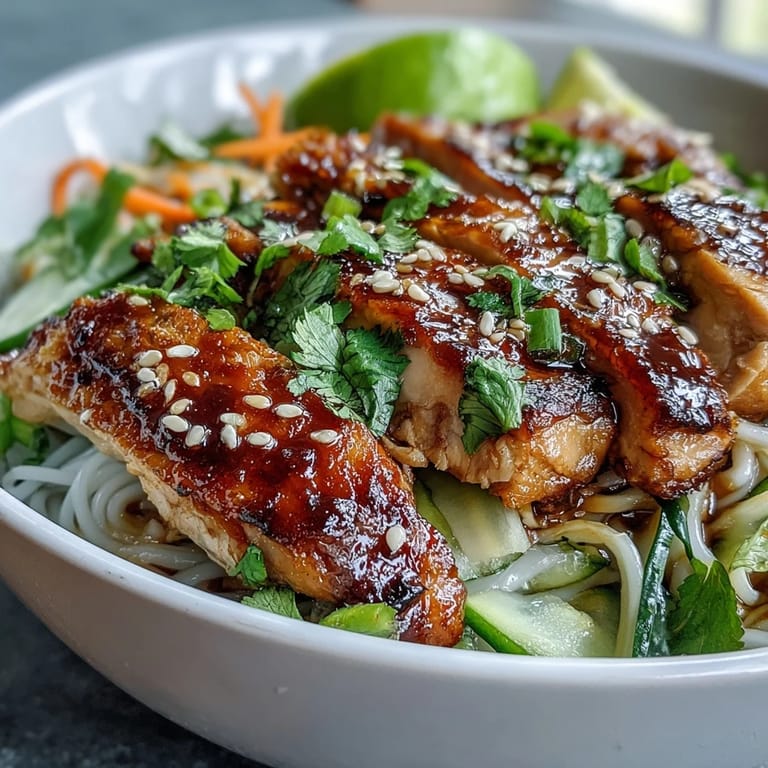
- Heat a large skillet or wok over medium-high heat until you can feel the heat radiating from it. Add the marinated chicken in a single layer and let it sit for a minute or two before stirring—you want those golden-brown edges, not pale and steamed.
- Bring it all together:
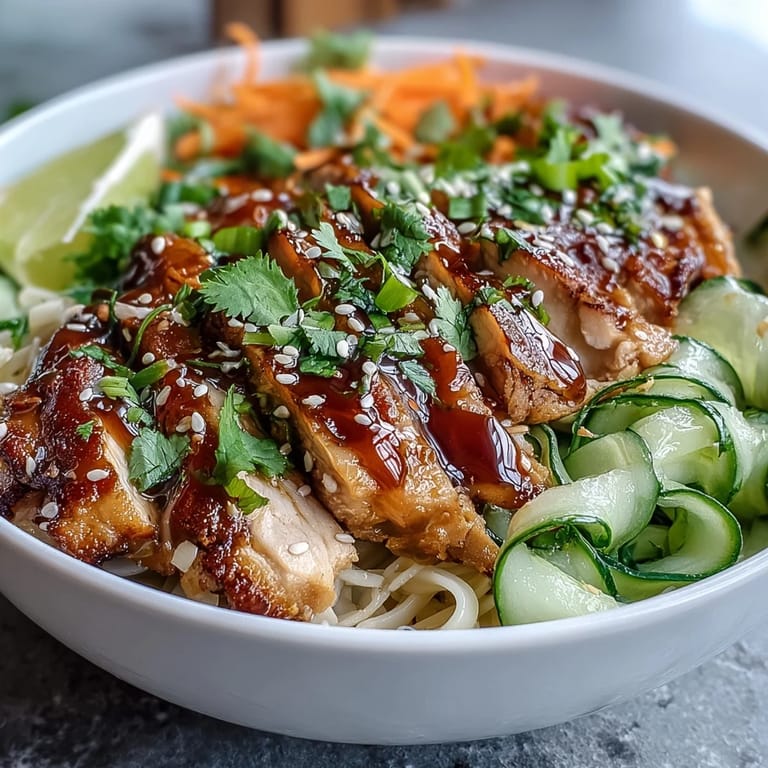
- Divide the cooled noodles among four bowls, then arrange the cooked chicken and all your fresh vegetables in neat little piles on top—it's not just for looks, it means you get all the different elements in each spoonful.
- Finish with the good stuff:
- Drizzle your reserved sauce over each bowl, then scatter cilantro and toasted sesame seeds on top. Serve with lime wedges on the side so each person can squeeze exactly as much brightness as they want.
 Save
Save The first time I served this to friends without warning them what it was, they went quiet for a moment, and then someone said, "This tastes like the good place." That phrase stuck with me because it captures exactly what this bowl does—it doesn't just fill your stomach, it creates a little moment of something uncomplicated and right.
Why the Sauce Matters
The magic of this bowl lives entirely in the sauce, and understanding how each component works helps you make it your own. Fish sauce gets all the attention because it smells like something that washed ashore, but once it's diluted and balanced with sweetness and acid, it becomes this incredible umami backbone that makes people ask what you put in this. The sesame oil can't be overpowered or it'll taste like you're eating soap, so the neutral oil acts as a buffer, letting the sesame flavor come through without overwhelming everything else. Rice vinegar versus other vinegars makes a real difference too—it's gentler and brighter, not as harsh or aggressive as white vinegar would be.
Building Your Own Vegetable Combinations
One of the best parts about this bowl is how forgiving it is when you want to swap vegetables based on what's in your crisper drawer. I've made it with snap peas instead of cucumber in winter, shredded cabbage when carrots looked tired at the market, and once with edamame because I had a bag in the freezer and figured why not. The original combination of raw vegetables is really about creating texture and freshness against the warm, saucy chicken and noodles, so anything crunchy and bright works. The rule I follow is: one thing that's slightly sweet (like carrot or bell pepper), something with a watery crunch (cucumber works great), something with a bit of bite (cilantro or green onions), and whatever proteins sound good that day.
Adjusting the Heat and Flavor to Your Taste
This recipe as written is gently savory-sweet with an optional heat component, which means it plays well with almost anyone's palate. I've learned that if someone says they want it spicy, they mean different things—some want a slow burn that builds, others want an immediate kick. Adding sriracha directly to the sauce gives you a smoother heat throughout, while sprinkling chili flakes on top lets people control their own level right at the table.
- If you're cooking for someone who doesn't like fish sauce, try doubling the soy sauce and adding a splash of worcestershire or miso paste to keep that umami depth without the funk.
- Taste the reserved sauce before drizzling it—if it tastes too salty, add a splash of rice vinegar or lime juice to brighten it back up.
- Keep extra lime wedges at the table because almost everyone will want more squeeze than you anticipated, and it completely changes the bowl's personality at the last second.
 Save
Save This bowl feels like the answer to that question of "what should we eat tonight" when you want something that feels special but doesn't require hours of work. Make it once and you'll have it memorized.
Recipe FAQs
- → Can I make this gluten-free?
Yes, use certified gluten-free tamari instead of soy sauce and ensure your rice noodles are labeled gluten-free. Double-check all sauce labels for hidden gluten ingredients.
- → What vegetables work best in this bowl?
Carrots, cucumber, and bell pepper provide crunch and color. You can also add edamame, snap peas, shredded cabbage, or spinach for extra nutrition and variety.
- → Can I substitute the chicken?
Firm tofu works beautifully for a vegetarian version. Omit the fish sauce or use a vegetarian alternative. Shrimp, beef strips, or pork tenderloin also pair well with these flavors.
- → How do I store leftovers?
Store components separately in airtight containers. Keep noodles and sauce apart to prevent sogginess. Reheat chicken gently and assemble fresh bowls for the best texture.
- → Can I make the sauce ahead of time?
Absolutely. The sauce keeps well in the refrigerator for up to a week. Store in a sealed jar and give it a good shake before using. The flavors actually develop and meld over time.
- → What type of noodles should I use?
Rice noodles are traditional and gluten-free, but wheat noodles, soba, or even spaghetti work in a pinch. Cook according to package directions and rinse thoroughly to stop the cooking process.