 Save
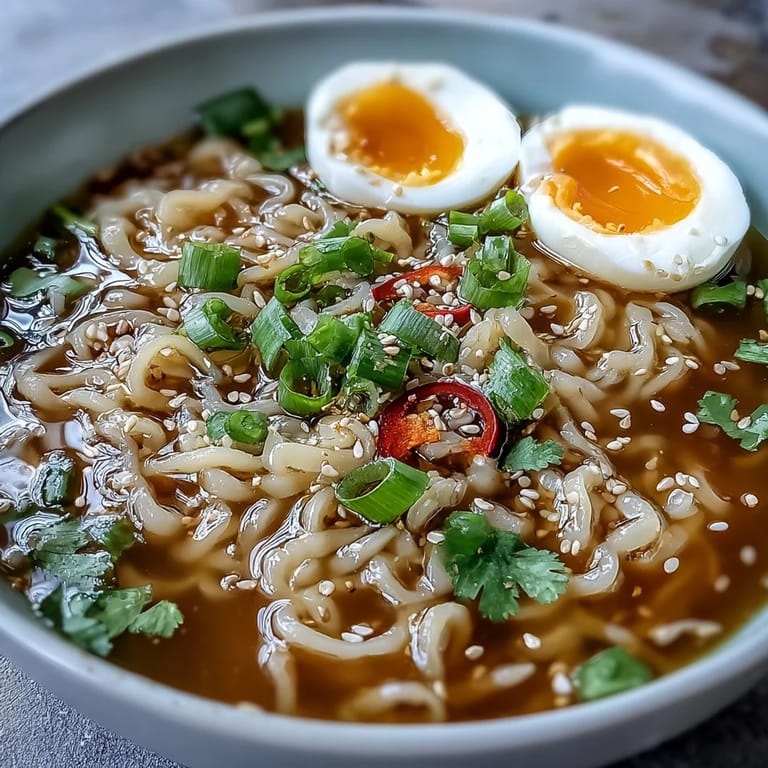
Save There's something deeply satisfying about watching shirataki noodles unfurl in a steaming bowl of bone broth, especially on mornings when I wanted something nourishing but didn't want to think too hard about it. I discovered this dish during a particularly busy stretch at work when my usual meal prep felt impossible, and it became my solution for staying grounded without guilt. The first time I made it, I nearly skipped the rinsing step and learned that lesson the hard way, but that mistake led me to understand why proper technique matters so much with these delicate noodles. Now it's become my go-to when I crave something warming that doesn't weigh me down.
I remember making this for a friend who was nervous about trying shirataki noodles for the first time, worried they'd taste or feel strange. When she took that first spoonful and her face softened, nodding silently as the warmth of the broth and the subtle sesame oil hit her palate, I knew this recipe had won her over. She's made it at least a dozen times since, and she texts me photos of her variations. That moment reminded me that sometimes the simplest dishes carry the most power to change someone's mind about what healthy eating actually tastes like.
Ingredients
- Bone broth (4 cups): This is the soul of the dish, so choose quality over quantity. Homemade broth is wonderful if you have it, but a good store-bought version saves you hours and tastes just as rich when you layer in the other flavors.
- Fresh ginger (1 thumb-sized piece, sliced): The ginger should be sliced rather than minced so it releases its warmth gradually into the broth without overwhelming it, and you can easily fish out the pieces at the end.
- Garlic (2 cloves, smashed): Smashing releases the garlic's oils more effectively than cutting, and it infuses the entire bowl with a gentle, rounded flavor rather than sharp heat.
- Soy sauce or tamari (2 tablespoons): This adds umami depth that makes the entire dish feel more intentional and complete, so taste as you go since different brands vary in saltiness.
- Rice vinegar (1 tablespoon): A small splash of acid brightens everything and prevents the broth from tasting flat, which is the secret many people miss.
- Sesame oil (1 teaspoon): Just a teaspoon is all you need because sesame oil is powerful, and it should whisper, not shout, adding a toasted undertone that transforms the entire experience.
- Shirataki noodles (400 g): These noodles must be drained, rinsed thoroughly, and then hit with boiling water to eliminate any residual odor. This step genuinely changes everything about how pleasant they are to eat.
- Soft-boiled eggs (2, optional): The runny yolk becomes part of your broth when you break into it, adding richness and a bit of protein that makes the meal feel more complete.
- Spring onion, red chili, fresh herbs, sesame seeds (optional toppings): These aren't just garnish but textural and flavor contrast that wakes up every spoonful you take.
Tired of Takeout? 🥡
Get 10 meals you can make faster than delivery arrives. Seriously.
One email. No spam. Unsubscribe anytime.
Instructions
- Build your flavor foundation:
- Combine the bone broth with ginger, garlic, soy sauce, rice vinegar, and sesame oil in a medium pot, then bring everything to a gentle boil over medium heat. You want to see it bubbling at the edges, not a rolling boil that makes the delicate flavors scatter.
- Let it infuse:
- Reduce the heat and simmer for 10 minutes so the ginger and garlic can slowly release their essence into the broth. This patience is what separates a good bowl from a memorable one.
- Prepare the noodles properly:
- While the broth simmers, drain your shirataki noodles and rinse them thoroughly under cold water in a sieve. Then pour boiling water over them to remove any remaining odor that can sometimes surprise first-timers.
- Bring it all together:
- Add the prepared noodles to the simmering broth and heat through for 2 to 3 minutes, stirring gently so they distribute evenly. You're not cooking them further, just warming them and letting them mingle with the broth flavors.
- Finish and serve:
- Remove the ginger and garlic slices with a spoon or small strainer, then divide the noodles and broth between two bowls. Top each with your chosen additions, drizzle with a little sesame oil if you'd like, and serve immediately while it's steaming.
 Save
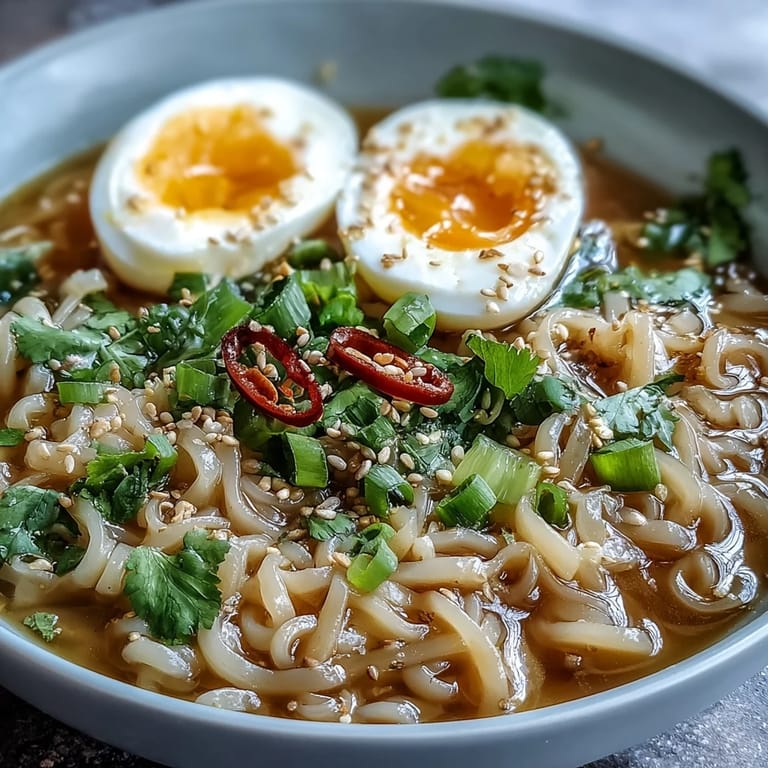
Save There's a quiet moment I love about this meal, right when you sit down and the steam rises from the bowl carrying that ginger warmth directly to your face. It feels like the noodles and broth have conspired together to make something that's both light and deeply nourishing, and somehow that combination feels a little bit like self-care.
Why This Works for Different Days
On mornings when you need something fast but substantial, this bowl delivers without the sluggish feeling that heavier breakfasts leave behind. On nights when you're tired but don't want takeout, it's genuinely faster than most delivery would arrive. The recipe is flexible enough that you can make it plain and simple when you want minimal effort, or dress it up with toppings when you're in the mood to play with flavors.
Making It Your Own
The beauty of this dish is that once you understand the broth foundation, you can build endlessly upon it. Some days I add shredded rotisserie chicken directly into the pot for extra protein without extra work. Other times I'll crack in a raw egg so it poaches gently in the heat, creating its own sauce right there in the bowl. I've even tried adding a small handful of baby spinach or mushrooms, just tossing them in with the noodles so they wilt into the broth.
Kitchen Notes and Small Discoveries
I learned that the order of sipping and eating matters with this dish. If you taste the broth first before the noodles, it sets your palate for what comes next. I also discovered that letting the bowl sit for one minute after serving actually improves the flavor because everything has time to settle and meld together. One final thing I noticed is that this tastes even better the next day if you have leftovers, because the noodles have soaked up all the broth flavor overnight.
- Always taste the broth before serving and adjust seasoning since different bone broths vary in saltiness.
- If you're making this for someone new to shirataki noodles, don't announce what they are until after they've tried it.
- Store leftover broth separately from noodles if you have any, then gently reheat when you're ready to eat again.
 Save
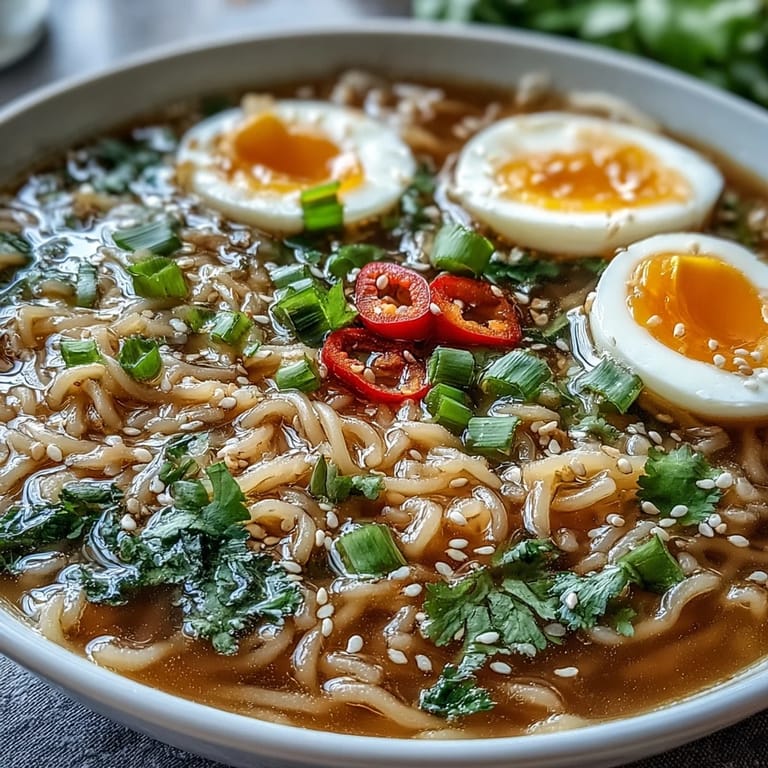
Save This bowl has become my answer to the question of what healthy eating actually means. It's simple, honest, and it makes you feel genuinely good afterward.
Recipe FAQs
- → What do shirataki noodles taste like?
Shirataki noodles have a very mild, neutral flavor that readily absorbs the tastes of the broth and seasonings. Their texture is gelatinous and slightly chewy, similar to glass noodles or vermicelli. Proper rinsing and blanching removes any natural aroma, leaving them as a perfect canvas for the rich bone broth flavors.
- → Why do shirataki noodles need to be rinsed thoroughly?
The rinsing process removes the liquid the noodles are packaged in, which can have a slight natural aroma. Pouring boiling water over them after draining further neutralizes any remaining scent. This step ensures the noodles properly absorb the broth's flavors without any competing tastes.
- → Can I make this vegetarian?
Absolutely. Substitute the bone broth with a high-quality vegetable broth, preferably one with depth and body like mushroom or dashi-based varieties. For protein, add tofu cubes or omit the soft-boiled eggs. The seasoning aromatics—ginger, garlic, soy sauce, and sesame—remain perfectly suited for a vegetarian version.
- → How long does the broth need to simmer?
The broth requires just 10 minutes of gentle simmering to infuse the ginger, garlic, soy sauce, vinegar, and sesame oil flavors. This brief simmering time is sufficient to extract the aromatic qualities from the fresh ingredients without reducing the liquid significantly or overcooking the seasonings.
- → What protein additions work well with this dish?
Shredded cooked chicken, seared tofu cubes, or poached eggs complement this bowl beautifully. Thinly sliced beef or pork can be quickly cooked in the hot broth before adding the noodles. For a lighter option, edamame or bamboo shoots add protein without overwhelming the delicate balance of flavors.
- → Can I meal prep shirataki noodles in advance?
The broth can be prepared and refrigerated for up to 4 days, allowing flavors to deepen further. However, shirataki noodles are best freshly prepared as they can become mushy if stored in liquid for extended periods. Store the broth and noodles separately, then combine and reheat just before serving for optimal texture.