 Save
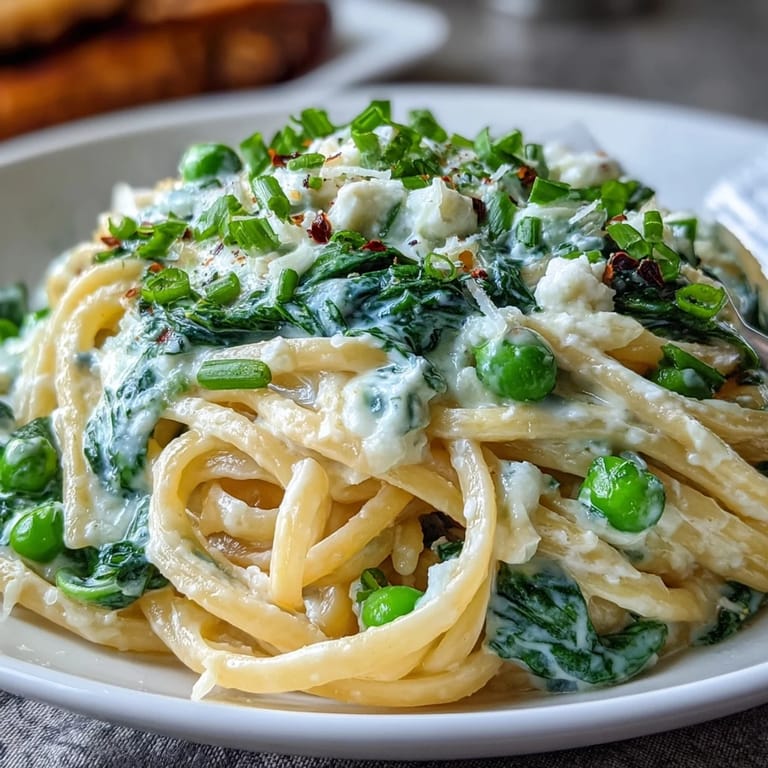
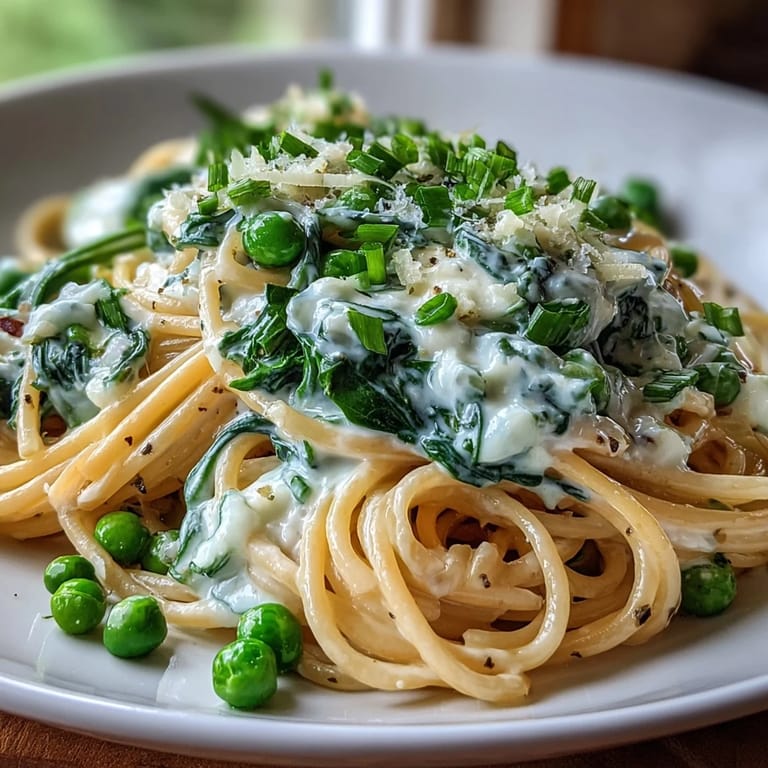
Save The first day I made this spring pasta, my kitchen windows were wide open and the scent of freshly mowed grass drifted inside. I remember how the zing of lemon zest mingled with warm cream as I stirred, making the whole room feel bright and new. It wasn’t a planned meal—just a spontaneous craving for something green and fresh after a long winter spent cooking heartier dishes. I grabbed peas and spinach from the fridge, determined to keep things easy but wonderfully flavorful. Somehow, that last sprinkle of Parmesan felt like an invitation to linger at the table.
I once made this pasta for a quick dinner on a Friday, but it turned into an impromptu gathering when a neighbor dropped by. We stood around tossing the hot linguine with handfuls of chives, laughing at our attempts to plate it elegantly. The lemon aroma caught everyone’s attention before we even started eating. It became an excuse to open a chilled bottle of wine and stay longer than we meant to, sharing stories over bowls of pasta that vanished fast.
Ingredients
- Linguine or Fettuccine: A long pasta shape catches the sauce perfectly; I learned that tossing with a splash of reserved pasta water makes it silky.
- Green Peas: Fresh peas are sweet but frozen work great—just don’t overcook so they stay bright and tender.
- Baby Spinach: Chopped spinach wilts gently into the hot pasta, adding balance and a bit of earthiness.
- Fresh Chives: Chives sprinkle on a mild onion flavor that lifts the dish; chop them finely just before you add.
- Unsalted Butter: Melted butter is the foundation for the sauce, and using unsalted allows you to control seasoning.
- Garlic: Just a quick sauté fills the kitchen with fragrance, but keep an eye so it doesn’t brown.
- Heavy Cream: Cream transforms the sauce into a luxuriously soft blanket for the noodles.
- Lemon Zest & Juice: The citrus is what makes this taste like spring; zest first, then squeeze for pure flavor.
- Parmesan Cheese: Grate it freshly if possible—it melts best and gives a salty depth.
- Salt and Black Pepper: Season with a pinch and taste as you go for flawless results.
- Garnish: Extra cheese, pepper, and lemon zest at the end wake everything up just before serving.
Tired of Takeout? 🥡
Get 10 meals you can make faster than delivery arrives. Seriously.
One email. No spam. Unsubscribe anytime.
Instructions
- Cook Your Pasta:
- Boil a big pot of salted water with a cheerful bubble, then add the linguine or fettuccine and stir. Drain when al dente, saving some water—you’ll need it for the sauce to cling.
- Sauté Aromatics:
- Heat butter in a skillet until it foams, then toss in the garlic and let it sizzle for a minute. That fragrance means it’s ready for the cream!
- Create the Lemon Cream:
- Pour in the heavy cream, add lemon zest and juice, and stir gently while the sauce thickens and smells almost floral. It should look pale and glossy.
- Add Peas:
- Drop in the peas and simmer until just tender; listen for their soft pop and watch them brighten. This step gives a wonderful sweetness.
- Combine Everything:
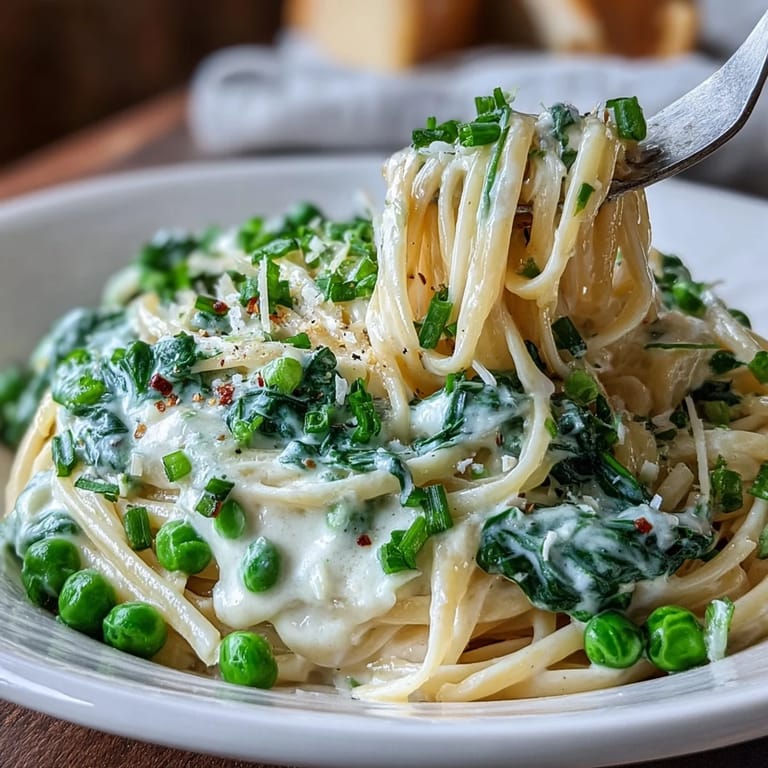
- Lower the heat and add pasta, spinach, Parmesan, and chives, tossing with tongs. Splash in the reserved pasta water little by little until the sauce drapes everything softly.
- Final Seasoning and Serve:
- Season to taste, then plate straight from the pan, showering each serving with extra cheese and lemon zest. A final twist of pepper finishes the dish with flair.
 Save
Save After serving this pasta to friends on a rainy spring evening, I realized it wasn’t just the food that brought everyone together. The way we lingered over refills and talked about travel plans made the dish feel like the centerpiece to a bigger moment.
How to Handle the Sauce Like a Pro
I learned that whisking the cream with zest and juice before adding heat keeps the sauce smooth and avoids lumps. Letting the pasta rest for a minute after draining lets the steam evaporate, so the sauce clings better and won’t get watery.
Swapping Greens and Add-Ins
One day I ran out of spinach and tossed in arugula; its peppery bite changed the entire profile, so now I experiment with whatever greens are on hand. If you want more protein, sautéed shrimp or grilled chicken are quick additions that blend perfectly with the lemon cream.
Last Touches That Matter
Finishing the pasta with a bit of extra lemon zest and cheese right at the table always gets a smile. The crunch from fresh pepper, the brightness from the zest, and the warmth of creamy sauce make every forkful different.
- Save a little pasta water in a mug—it’s easy to add bit by bit without overdoing.
- If leftovers thicken, just splash a spoonful of cream or water before reheating.
- Taste for seasoning right before you serve, because lemon and cheese can shift the saltiness.
 Save
Save This spring pasta brings a sense of celebration to any table, even on ordinary days. Sharing it with those you love makes every meal feel a little brighter.
Recipe FAQs
- → How do I make the lemon cream sauce?
Melt butter, sauté garlic, add cream, lemon zest, and juice; simmer gently and stir for a rich, tangy sauce.
- → Can I use frozen peas instead of fresh?
Yes, frozen peas work well. Just cook them for 1–2 minutes until tender before adding to the pasta.
- → What pasta types can I use?
Linguine or fettuccine are ideal, but any long pasta can be used to capture the sauce for best results.
- → Is this dish suitable for vegetarians?
Yes, check Parmesan for vegetarian compliance. The main ingredients are plant-based with dairy included.
- → How can I adjust the sauce consistency?
Use reserved pasta water, adding slowly while tossing to achieve the perfect creamy texture and coating.
- → Are there ways to add more protein?
Try sautéed shrimp or grilled chicken as a topping, or stir in chickpeas or tofu for a vegetarian option.