 Save
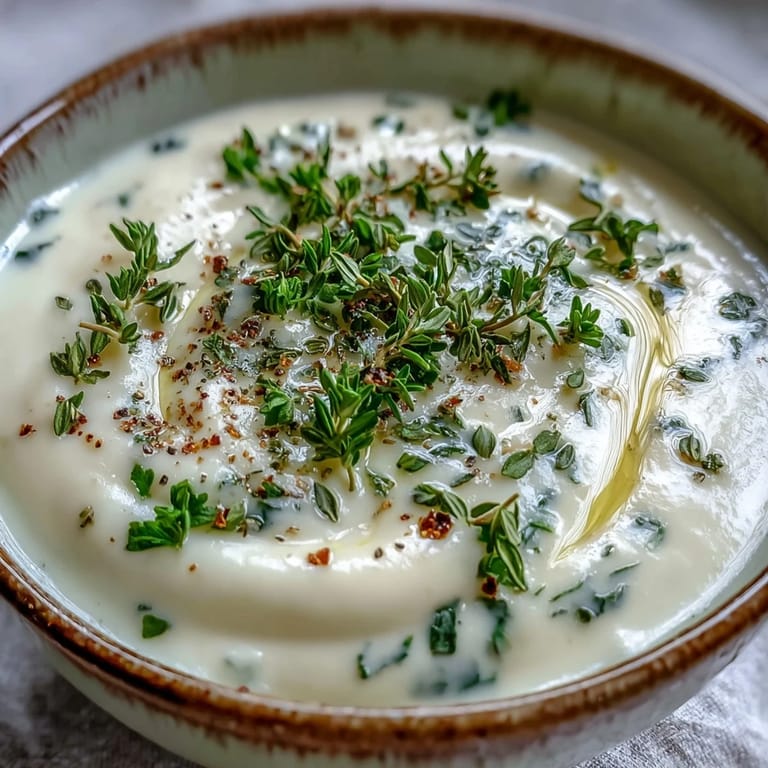
Save There's something almost magical about the way garlic transforms when you cook it slowly—I discovered this while making soup on a gray afternoon, watching those sliced cloves turn golden and sweet in the pan. My neighbor had just dropped off a bunch of fresh herbs from her garden, and I realized I had everything I needed to make something truly comforting. What started as a simple idea became this silky, herb-forward soup that tastes nothing like harsh garlic and everything like warmth in a bowl.
I made this soup for my partner on a night when we both needed something nourishing but didn't have the energy for complicated cooking. The kitchen filled with the smell of leeks and thyme, and by the time I finished blending it, we were both hovering near the stove—that's when you know a recipe is working. We've made it countless times since, usually when the weather turns cool and we want something that feels both elegant and effortless.
Ingredients
- Onion and leek: The onion builds a savory base while the leek adds a subtle sweetness that balances the garlic beautifully, and cooking them together for those first few minutes matters more than you'd think.
- Garlic cloves, sliced: Slicing rather than mincing lets you cook them gently without them turning dark and bitter, which is the whole secret to this soup's mellow character.
- Potatoes, diced: They thicken the soup naturally and add substance without any cream, though you can absolutely add cream if that's your mood.
- Vegetable broth: Use something you actually enjoy drinking, because a mediocre broth will show up in your final bowl.
- Whole milk or plant-based alternative: This softens the soup's edges and makes it feel luxurious without being heavy, added at the very end so it stays bright.
- Fresh thyme, parsley, and chives: These three herbs do different jobs—thyme brings earthiness, parsley brightens everything, and chives add a whisper of onion at the end.
- Olive oil: Two tablespoons is enough to cook everything properly without making the soup greasy.
- Salt and pepper: Start conservative and taste as you go, because some broths carry salt already.
- Parmesan and croutons (optional): These add texture and a salty note that nobody needs but everyone wants.
Tired of Takeout? 🥡
Get 10 meals you can make faster than delivery arrives. Seriously.
One email. No spam. Unsubscribe anytime.
Instructions
- Soften the onion and leek:
- Heat your oil over medium heat and let those vegetables cook without rushing—you want them translucent and tender, not colored. This is your flavor foundation, so take the four or five minutes seriously.
- Add the garlic gently:
- Once you add the sliced garlic, lower your heat slightly and stir it almost constantly so it toasts just enough to release its sweetness without catching and turning bitter. You'll smell the exact moment it's right.
- Bring in the potatoes and herbs:
- Toss in the diced potatoes, sprinkle your thyme, and season with salt and pepper before you add liquid. This layer of flavor seasoning makes a real difference compared to seasoning at the end.
- Simmer until tender:
- Pour in your broth, bring it to a boil, then drop the heat and let it bubble gently for about 20 minutes until the potatoes fall apart easily when you press them with a spoon. Don't cover it—you want the flavors to concentrate slightly.
- Stir in the milk and fresh herbs:
- Remove from heat before adding the milk so it doesn't curdle or scald, then fold in most of your parsley and chives, saving a pinch for garnish. Taste and adjust everything here.
- Blend to your preference:
- An immersion blender gives you control—you can make it silky or leave it slightly chunky with soft potato pieces. If you're using a countertop blender, let it cool slightly first and blend in batches.
- Finish and serve:
- Ladle into bowls, scatter the reserved herbs on top, and if you're feeling generous, add Parmesan and warm croutons. A simple green salad alongside makes this feel like a proper meal.
 Save
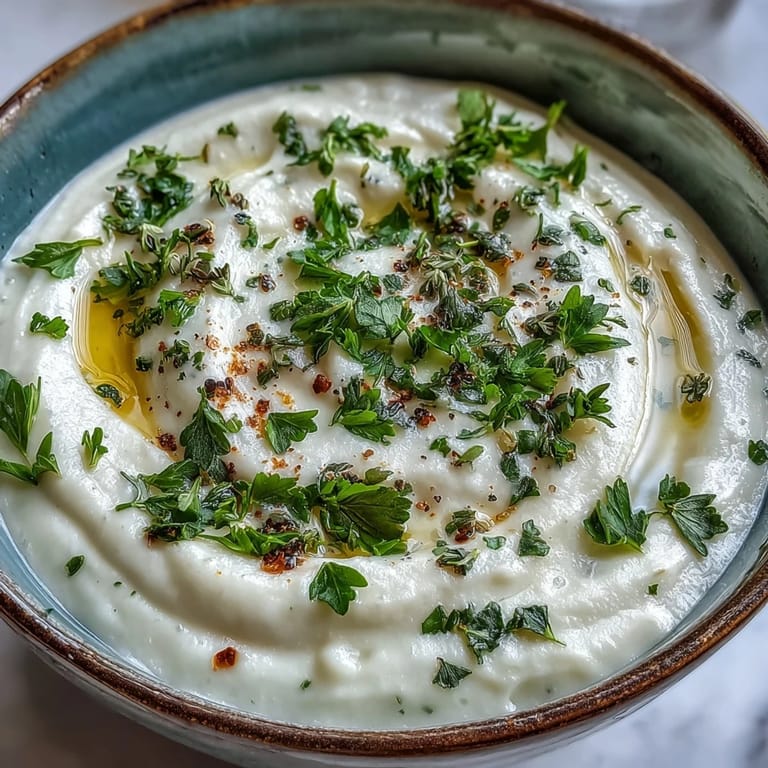
Save One evening a friend came over feeling worn down, and I made this soup while we talked in the kitchen. She took one spoonful and actually closed her eyes—not because it was fancy, but because it was exactly what her body needed in that moment. That's when I realized this soup does something beyond nutrition; it's pure comfort that tastes like care.
Why Garlic Soup Feels Like a Hug
There's something about warm, herb-scented soup that quiets the nervous system in a way cold food simply cannot. The ritual of standing over a steaming bowl, breathing in thyme and fresh parsley, grounds you faster than anything else in the kitchen. Every time I make this, I notice how the house smells like a French bistro for the next few hours, and that aroma alone seems to lift everyone's mood.
Making It Your Own
This recipe is genuinely forgiving once you understand the basic structure—soft aromatics, gentle garlic, starchy potato, plenty of broth, and brightness at the end. I've made it with celery added to the base, with roasted garlic instead of raw (it's even sweeter), and once with dill instead of thyme because that was what I had. The herbs especially are flexible; if you only have parsley, use more parsley and don't worry about it.
Serving and Storage
This soup tastes even better the next day once the flavors have married together, so it's one of those rare recipes that rewards you for cooking ahead. It keeps refrigerated for about four days and reheats beautifully on the stove with a splash of water if it's thickened too much. You can also freeze it (though the texture becomes slightly less silky after thawing), and I've served it cold on summer nights with a drizzle of good olive oil and fresh basil, which sounds odd but somehow works.
- Pair with a crisp white wine like Sauvignon Blanc, or keep it simple with crusty bread for dipping.
- Make a double batch if you're cooking for guests—it disappears faster than you'd expect.
- Leftover herbs can be stirred in fresh just before serving to keep everything bright and alive.
 Save
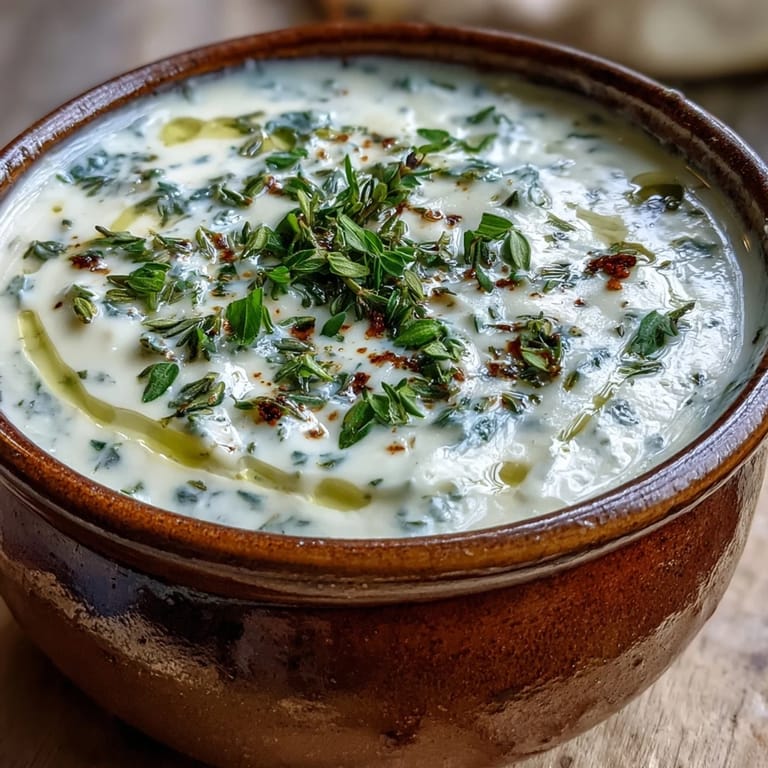
Save This soup has become my answer to almost every kitchen question—when someone asks what to make for a dinner guest, what to cook when you're tired, or how to use up a bunch of fresh herbs. It's proof that the simplest ideas often bring the most comfort.
Recipe FAQs
- → Can I make this soup vegan?
Yes, simply use unsweetened plant-based milk instead of dairy milk and omit the Parmesan cheese or substitute with a vegan alternative. The soup will remain creamy and delicious.
- → How can I make the soup richer?
For a richer, more luxurious texture, replace half of the milk with heavy cream or full-fat coconut cream for a dairy-free option. You can also add a tablespoon of butter when sautéing the vegetables.
- → Will the garlic be too strong?
No, cooking the garlic gently and simmering it in broth mellows its pungency and brings out natural sweetness. The result is aromatic but not overpowering, perfectly balanced with the herbs.
- → Can I prepare this soup ahead of time?
Yes, this soup stores well in the refrigerator for up to 3 days and can be frozen for up to 2 months. Reheat gently on the stovetop, adding a splash of broth or milk if it thickens too much.
- → What can I serve with this soup?
Serve with crusty bread, gluten-free rolls, or homemade croutons. It pairs beautifully with a green salad and a crisp white wine like Sauvignon Blanc for a complete light meal.
- → Can I leave the soup chunky instead of blending?
Absolutely! You can blend it partially for a rustic texture or skip blending entirely for a chunky vegetable soup. Adjust based on your preference for texture.