 Save
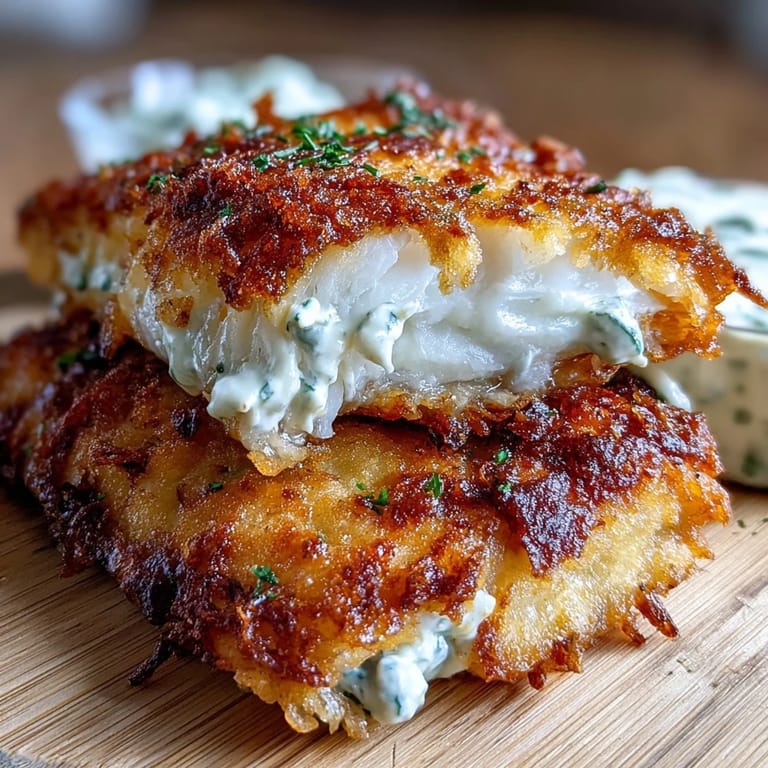
Save My uncle's kitchen on a humid Saturday afternoon smelled like nothing else on earth—that particular golden-brown fragrance of catfish hitting hot oil, mixed with the sharp tang of horseradish cutting through mayonnaise. He was teaching me his method, moving with the ease of someone who'd fried fish a thousand times, and I realized then that this dish wasn't about technique as much as it was about that moment when something humble transforms into something golden and crackling. The remoulade sauce came together almost as an afterthought, but it became the reason people came back for seconds.
I made this for a friend who swore she didn't like fish, and watched her eat three fillets without looking up from her plate. Afterward she asked for the recipe, then asked again two weeks later when she'd already made it once. There's something about the combination of Southern comfort and genuine flavor that doesn't leave people unmoved.
Ingredients
- Catfish fillets: Fresh catfish has a delicate sweetness that holds up beautifully to bold seasoning, and the mild flesh won't fight the cornmeal crust.
- Buttermilk: This is your secret weapon for tenderness—the acid gently tenderizes the fish while the fat keeps it moist through the cooking.
- Hot sauce in the marinade: Just enough to wake things up without overwhelming the fish itself.
- Yellow cornmeal: Use cornmeal, not cornstarch, because the texture matters—it creates that authentic crunch that defines this dish.
- Paprika and cayenne: These aren't optional flavor notes; they're the backbone of what makes this taste authentically Southern.
- Garlic powder and onion powder: Dried aromatics that layer into the coating and give you depth without the moisture of fresh versions.
- Mayonnaise: For the remoulade, use a quality brand because this sauce needs that creamy richness to balance the sharp elements.
- Dijon mustard: Standard yellow won't cut it—Dijon adds sophistication and a subtle sharpness.
- Horseradish: The prepared kind works perfectly and brings that nose-clearing intensity remoulade needs.
- Smoked paprika in the sauce: This adds a whisper of depth that feels unexpected and keeps people guessing what that layer of flavor actually is.
Tired of Takeout? 🥡
Get 10 meals you can make faster than delivery arrives. Seriously.
One email. No spam. Unsubscribe anytime.
Instructions
- Start with the marinade:
- Whisk buttermilk and hot sauce together in a shallow dish, then submerge your catfish fillets and let them sit for at least 15 minutes. This is when the buttermilk starts its work, gently preparing the fish for its transformation.
- Build your coating:
- Mix cornmeal, flour, paprika, garlic powder, onion powder, cayenne, salt, and black pepper in another shallow dish. Stir everything together so the seasonings distribute evenly—no clumps of paprika hiding in one corner.
- Get your oil to temperature:
- Pour about an inch of vegetable oil into a deep skillet or Dutch oven and heat it to 350°F. You'll know it's ready when a small pinch of cornmeal sizzles immediately upon contact.
- Coat each fillet:
- Lift a catfish fillet from the buttermilk, let excess drip off for a second, then lay it gently in the cornmeal mixture. Press lightly with your fingers so the coating adheres evenly, turning once to coat both sides completely.
- Fry in batches:
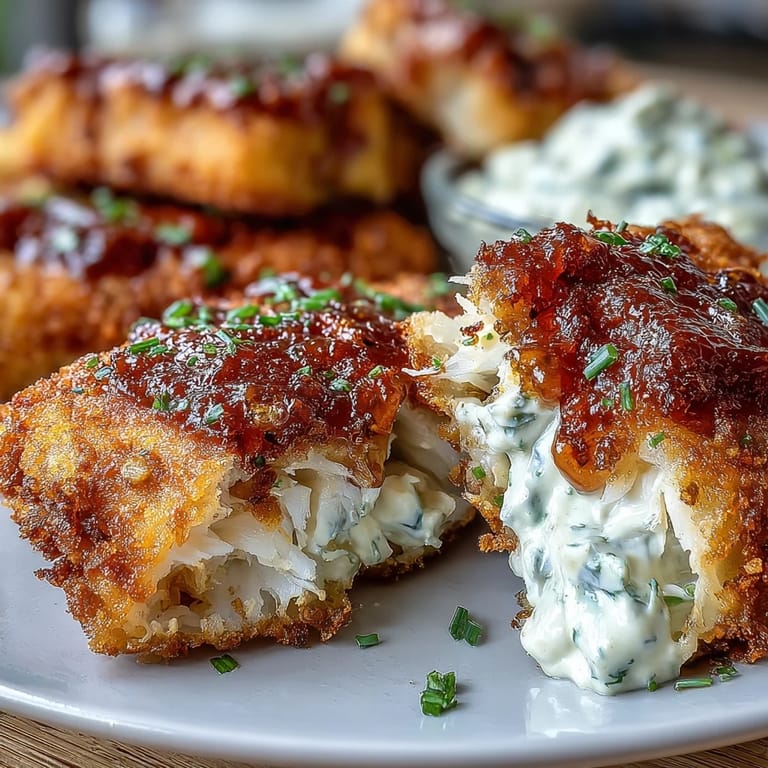
- Slide your coated fillets into the hot oil and listen for that immediate sizzle—it's your confirmation everything is right. Cook for 3 to 4 minutes per side until the coating turns deep golden brown and the flesh is cooked through, then transfer to a paper towel-lined plate.
- Make the remoulade:
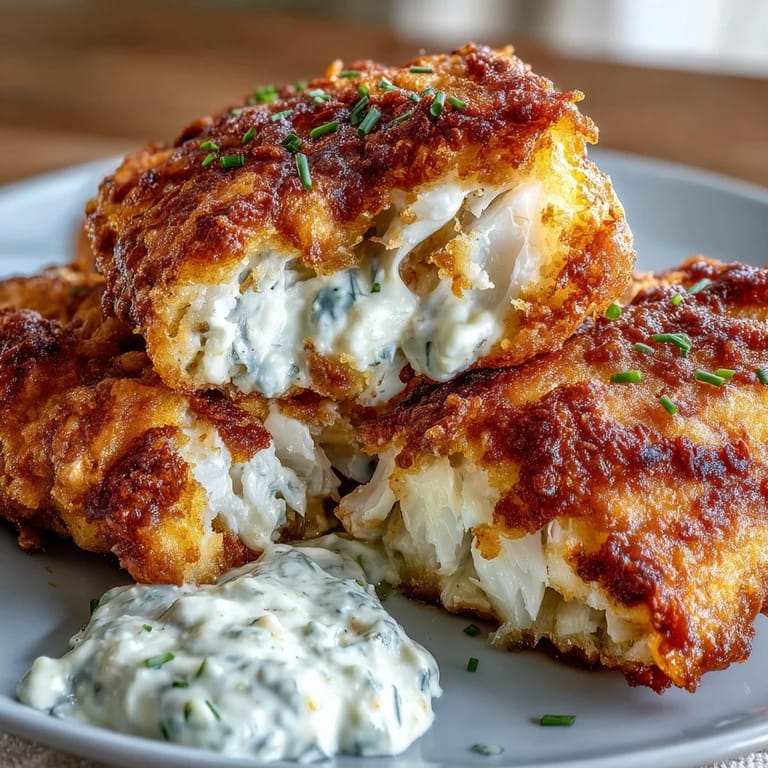
- While the fish is still warm, combine mayonnaise, Dijon mustard, horseradish, hot sauce, pickle relish, lemon juice, minced garlic, smoked paprika, and parsley in a bowl. Taste and adjust salt and pepper until it feels balanced—sharp enough to cut through richness but not so assertive it dominates.
- Serve immediately:
- Plate the hot catfish and set the remoulade on the side, letting people control how much tang they want with each bite.
 Save
Save There was a Tuesday when my neighbor knocked on the door asking what smelled so good, and I had extra fillets, so I fried them up right then. We ate on the porch in the fading light, both of us saying nothing, just the sound of shells cracking between teeth and the occasional satisfied sound that means food has done its job perfectly.
The Double Dip Secret
If you really want restaurant-level crunch, try the double dip method: after your initial dredging, return the coated fillet to the buttermilk for just a few seconds to let it get tacky, then dredge it again in the cornmeal mixture. This extra layer creates a shell that doesn't just crunch—it shatters, and the fish stays impossibly moist inside. I discovered this by accident when I dropped a fillet back in the buttermilk midway through coating, and it turned out to be one of those happy mistakes that changes everything.
What to Serve Alongside
This dish doesn't need much, but it does need something—the richness of fried fish wants a counterpoint. Coleslaw with a vinegary bite cuts through the oil and refreshes your palate between bites, while creamy grits underneath turn the whole plate into something deeply satisfying. Hush puppies, if you're feeling ambitious, are the natural companion because they share the same golden, crispy energy.
Making It Your Own
The beauty of this recipe is how flexible it really is, once you understand the core elements. The cornmeal coating can take different seasonings—Old Bay if you're feeling Chesapeake, Cajun spices for more heat, or even a touch of smoked paprika in the coating itself. The remoulade adapts too; I've swapped in whole grain mustard, added minced capers, even a touch of anchovy paste for depth. The important thing is that you start with the foundation and then make it yours, the way my uncle made it his.
- Tilapia or cod work beautifully if catfish isn't available, though the flavor profile will shift slightly.
- Try a double dip for extra crunch, or experiment with different spice blends in your coating.
- Remoulade keeps in the refrigerator for three days, so you can make it ahead and let the flavors settle.
 Save
Save This is the kind of dish that stays with people, not just because it tastes good but because it comes from a place of genuine care and Southern tradition. Make it for someone you want to impress, or just make it for yourself on a night when you deserve something golden and perfect.
Recipe FAQs
- → How do you achieve a crispy coating on the catfish?
Marinate fillets in buttermilk and hot sauce, then dredge them twice in the seasoned cornmeal mixture before frying in hot oil for a crunchy texture.
- → What spices contribute to the Southern flavor?
Paprika, garlic powder, onion powder, cayenne pepper, salt, and black pepper create a savory and slightly spicy Southern seasoning.
- → Can I substitute catfish with other fish types?
Yes, tilapia or cod are great alternatives and work well with the same preparation and seasoning.
- → How is the remoulade sauce prepared?
Mix mayonnaise, Dijon mustard, horseradish, hot sauce, pickle relish, lemon juice, garlic, smoked paprika, and parsley for a tangy and smoky sauce.
- → What is the best oil for frying catfish?
Vegetable oil is ideal due to its high smoke point and neutral flavor, ensuring crispy results without overpowering the spices.